

The little voice in my head is screaming to share my personal story about how narcissism and PTSD have impacted my life journey. Now, with Trump back in office, I feel triggered every day. My autoimmune thyroid is flaring for the first time since the pandemic.
People are afraid of those with narcissistic personality disorder because they will try to destroy those who oppose them. It’s scary. To say I haven’t lost a lot standing up to the narcissists who wanted me to “fall in line” is an understatement.
Fortunately, I have a strong drive towards resilience. I score high on both childhood trauma and resilience questionnaires that are used to determine the impact of trauma on a kid’s life. Being resilient does NOT mean the trauma didn’t happen.
It’s like if your house burns down and you lose everything that matters to you. A more resilient person may have more social and financial systems in place, so they can get on with their lives more quickly. But, that doesn’t mean they won’t forever remember the fire.
There is also a difference between dysfunctional families (almost everyone has some of this) and families that expose kids to trauma. (Here is an article from Psychology Today that discusses the difference between dysfunction and trauma.) Please be cautious about telling PTSD survivors that “most families are dysfunctional. Move on.” Ouch!
Another ineffective response I have gotten when I share my story is someone comparing PTSD to some minor irritation that we all face. “I have PTSD from standing in line at the post office.” Seriously? Subtle put downs of a survivor’s experience and can be retraumatizing. Show empathy and support.
Narcissist Number One: My Dad and Traumatic Childhood
My father had many narcissistic traits that were present throughout his life. He stole from his own family during the depression and admitted to marrying my mom solely for her money. As a young kid, he was my favorite parent. He took my frog hunting, helped me with my many pets, and seemed to go out of his way to spend time with me.

My sister, who has childhood onset chronic mental illness and suffered delusions and psychosis, saw a different side of him. Her illness was actually similar to his own mother’s. He severely beat my sister when her behavior was inappropriate in a way that threatened him, especially if her “boyfriend” was involved. I was the only witness and was told to keep my mouth shut or I would be next. I was scared to death and kissed the ring. She must be doing something to incur my favorite parent’s wrath, right?
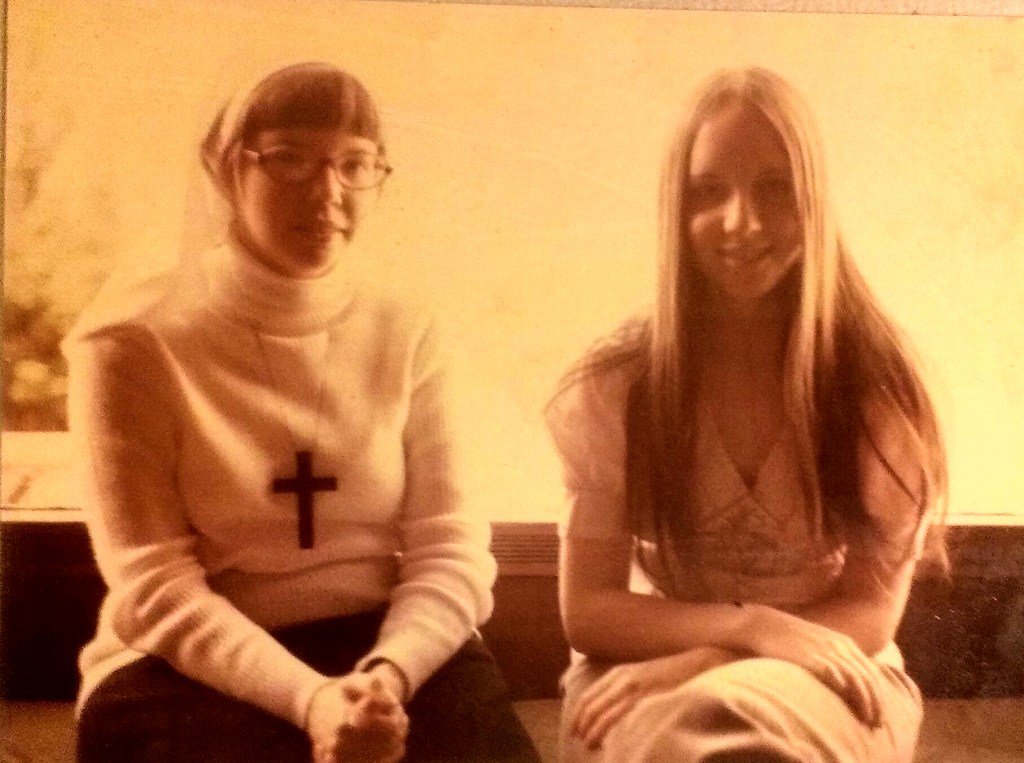
As I grew closer to my teen years, my mom began her journey towards sobriety and divorce. The violence escalated. I walked in on him strangling mom and overheard him raping her. Those events still revisit when I am triggered. He bragged about wanting to have her committed to the State Mental Hospital (there was a time husbands could do that.)

Seeing the abuse started to wake me up. I was woke, I guess. Dad could tell that I was finding empathy and respect for mom’s new journey. He threw me under the bus and told me only my sister was old enough to testify against mom in court, then ignored me for months. While we stayed in touch until my mid 30s, it was never the same after that.
ACE and Resilience Scores
These stories are the tip of the iceberg of the traumas of my own childhood. What follows is a list of my trauma from childhood. I used the ACE scoring system to create the list.
- Parental humiliation and fear of being physically hurt.
- Parental abuse of a sibling and witnessing her being beaten many times
- I was never sexually abused, but it is likely my sister was an incest victim, my mom was raped, and my aunts (mom’s sisters) were sexually assaulted (by dad)
- My sister and I were bullied everyday at school, including by teachers, because of her mental illness. It was a small town. My parents did nothing
- My mom was an alcoholic and absent during the times my dad was doing harm until she sobered up.
- My sister had severe mental illness with delusions and psychosis. There were times she was left to care for me and my parents were at work. My mom had major depression and alcoholism, my dad fits diagnostic criteria for Narcissistic Personality Disorder.
- My parents divorced when I was 11, and life improved after that.
- My ACE score is 7/10.
- My childhood resilience score is 9/14
Standing up to the Narcissist: What Did I Lose?
- My childhood
- My relationship with my sibling (she developed Stockholm Syndrome and we just lived in different realities
- My relationship with my dad
- School friendships/sense of community belonging
Narcissist Number Two: A Boss Threatened by Successful, Single Women Who Fought for the Poor
Life goes on. I was absolutely determined to escape the trauma of my childhood and lead a normal life. I did great in college, married a “safe” (non-abusive) man, and had two beautiful daughters.
Mom died the day before my 25th birthday. By then, I had two young children. I don’t think I recognized the trauma of the loss until years later. I took the money from the inheritance and went to nursing school. I divorced a couple years later.

I was driven by my career. I went back for my BSN and then went on for my masters in nurse-midwifery. I felt I had escaped the trauma of childhood and I was out to show the world how normal I was!
Jumping from a traumatic childhood into rural (conservative) town as the first nurse-midwife was jumping from the frying pan into the fire. The doctors didn’t want the Medicaid patients in their practices or at their hospital. That applied double or triple to the migrant population. The only reason they let me in to practice was because they were about to lose State funding for this population.
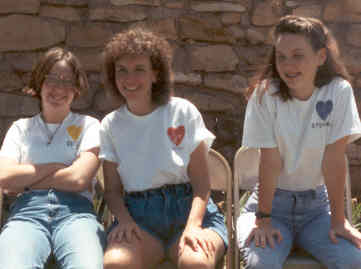
Without knowing it, I had jumped into a category 5 political windstorm. At that time, one of my two daughters lived with me (jr high/high school age). My other daughter lived 60 miles away with her dad. I chose my rural community so my daughters could live close enough to spend a lot of time together.
My practice was successful by many standards. All the women on Medicaid came to my practice, significantly improving outcomes for their population. I also had insurance patients who preferred a nurse-midwife to an OB gyn. I thought I was proving to the world that my past had not held me back. I was normal.
There was another reality at play, though: The politics. Doctors called me “evil” and blamed me for things like a baby born with clubfoot. I was called a “left-wing, militant feminist” by the administration. I was locked out of resources that were available to other providers. One doctor said I was the Rosa Parks of the hospital. That physician actually was threatened with losing her position for supporting my practice. This wasn’t anything close to a standard nursing job.
After two years, I sold my practice to the hospital for economic stability. They wanted to control which patients I accepted so the insured could be funneled to the physicians. The administrator, who had a lot of narcissistic traits, became my boss. I just knew that if I worked hard enough, I could win him over. I wanted to make a great healthcare system for the poor and the migrant, which was likely in opposition to the values of the hospital at that time.
It became a cat and mouse game between my boss and I. I was out to show him I could succeed and he was out to show me that, as a single female with more liberal leanings (and a practice full of poor and minority patients), I could never succeed. I was doing the work of two or three. I was often up for 72 hours straight to care for my patients. I was repeatedly denied help. My best friend at the time was in the process of suing the hospital on 18 federal counts of harassment and discrimination. She was successful.

I had no idea that my PTSD was being triggered by this situation. I was not there for my daughter like I wanted to be. I was addicted to winning the cat and mouse game. I adored the connection I had to my patients and community – something I had never known on the playground. At the same time, my mom’s sisters began to pass away and my family support system was, therefore, shrinking.
After 6 years of solo 24/7/365 practice, they finally let me hire a partner. I picked carefully because I knew the boss would likely play us against one another. I over corrected. All she had to do was kiss the ring and I was wrongfully terminated. My boss told me 6 months before I was let go that I had “become too powerful and making too much money for a single woman and I would be gone in 6 months.” After an unfair and traumatic mediation paid for by the boss, I was publicly fired and treated as if I was the problem. That was when I knew for the first time that I had PTSD. The boss even took action meant to destroy my career after I moved out-of-state.
Workplace Trauma Factors Present
- Job insecurity: Being threatened to be fired based on my gender and willingness to stand up for my low-income and migrant clients
- Bullying and harassment by administration and physicians
- Exposure to violence: Verbal violence throughout, name-calling by authority figures, the biased mediation process
- Inadequate support systems: Supporters from inside the system were retaliated against, and I was losing my own family support system.
- Unfair treatment: In addition to the above issues, I found out I was paid much less than a male non-physician provider who worked fewer hours and was not a political target.
Standing up to the Narcissist: What Did I Lose?
- The relationship with my amazing first daughter. We last spoke when she left for college. She has rebuffed my efforts to reach out and, honestly, I have given up because it hurts. Similar to my sister, the trauma and chaos gave us different realities that caused us to polarize.
- A practice that I build from the ground up. My most meaningful career experience.
- My connection to a community that I loved. I moved to Texas and continued my practice.
Narcissist Number 3: Repeating Family Patterns and a Family Member Who Saw Me as a Threat
Life went on, again. Except this time I felt the trauma more intensely as I had as a kid. I had full blown panic attacks. Perhaps the financial realities of the loss of support systems and income at the hands of a narcissist who I had worked so hard for was more of a hit to my Maslow’s needs?
I went on with nurse-midwifery for several years. I never felt the connection I did at my rural practice, again, though. And, I was getting old enough that the long shifts were taking some toll on my health and wellbeing. I eventually decided to return to the rural town where I had lost my practice. But, this time as a nursing educator.
My oldest daughter and I always had a special relationship. She was spared from living with me during the work trauma years and our relationship remained strong. I felt like I had a family support system because of her. Better yet, she gave me two precious grandkids.
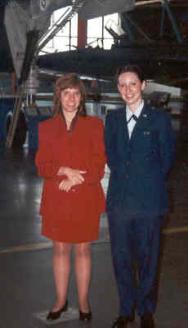
By this time, I had started to study positive psychology. I was determined that I could grow better relationships than ever. I had visions of being a grandma who was active it my grandkid’s lives – despite them living on the other side of the country. I flew back on every break and basically spent summers with them. My oldest granddaughter was the apple of my eye.
Unfortunately, my daughter had married someone who reminds me of my dad. I don’t want to say too much here, but I do believe he was threatened by my close relationship with my daughter and granddaughter. I felt like he was creating chaos and trauma during my trips to keep me away. I didn’t feel safe. I also felt an obligation to my daughter to help her if she wanted to leave.
Narcissistic relationships can become a bit of a cult. Her husband proclaimed himself to be the alpha. My therapist later told me that narcissistic personality disordered people can brainwash people. If I enabled the chaos and trauma, I could stay. When I tried to set boundaries, I was cast out of the family. It was a catch 22, but I believe I made the only healthy choice.
My oldest daughter and I went a few years with no contact. Slowly, we found a space where we text more as friends than family, and that has worked. I haven’t seen my grandkids in 8 years and they live across the state. We don’t celebrate holidays together or anything like a family. Still, I am happy that I have the relationship with my daughter.
Trauma factors present mirror my childhood, so no need to repeat them here.
Standing up to the Narcissist: What Did I Lose?
- Damage to my relationship with my oldest daughter
- Loss of proximity to and relationships with my grandkids
- My dream for having a functional family support system, again
- My retirement “plan A”
Narcissist Number 4: POTUS
Life goes on. I actually met Narcissist Number 3.5 as a boss during my last work assignment. I played the game better this time and the trauma on my life was less severe. It was that trauma, however, that led to my decision to retire (earlier than initially planned) and start my dream art business. I am nothing but an optimist and, while my first dream for retirement was gone, I would create another: Art from the Hartt.
The business has given my life meaning. I learned recently that there are two kinds of life meaning – one is meaningful relationships (my lost dream #1) and the other is using inner strengths to serve the planet (welcome dream #2). I started online, then became active in a local artisan co-op shop. That shop closed a couple years ago, so I moved to the antique/second hand shop across the street. And, while I first downsized my online shops, I have spent the last 18 months growing my online presence.

I have never been a fan of Donald Trump because I see the narcissist in him 10 miles away. Even before I was in tune with my PTSD, I didn’t like him for parking his plane in front of our rural airport while he had affairs in the nearby ski town. But, the day on the escalator was an awakening. I was triggered by his face and his words about rapists and murderers.
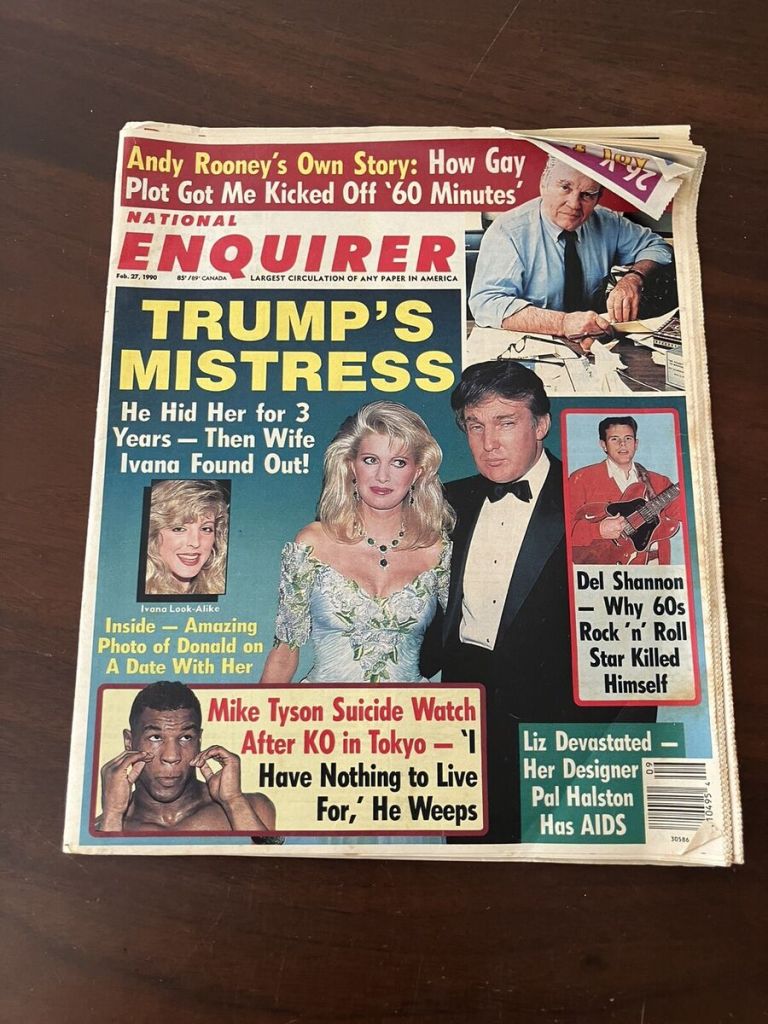
I survived his first presidency while trying to keep a nursing program running throughout the pandemic. His bleach cures rattled me while I was trying to teach student nurses science-based practice. Narcissist boss 3.5 showed up somewhere in there and discriminated against me, repeatedly, because I stood up to him in order to maintain program quality. It got weird.
Now, we have Trump presidency number 2. The vile, racist and sexist talk are still there. But, it seems this time those words are being put into some new executive order every day. I’m not here to talk politics. But, I am so triggered (despite practicing resilience every day) that my autoimmune thyroid has kicked in. I am not feeling well, physically.
What is a PTSD trigger? According to WebMD, “Triggers can include sights, sounds, smells, or thoughts that remind you of the traumatic event in some way.” I am reminded of my dad, the school bullies, my sister’s Stockholm Syndrome, the discrimination my poor and migrant midwifery clients and I endured, and of being outcast by my own family for trying to create healthy boundaries. Every day, every headline.
I haven’t stopped standing-up. I am active in some groups and on social media. I know this comes with some risk, but for me there is no other option than to fight.
Narcissist Number Four: What is at Stake?
- Democracy
- Government retirement
- Safety – including travel
- My business – I’m already budget cutting to prepare for the predicted recession
- Economic security – less income, higher taxes, higher prices – the transfer of wealth to the oligarchs. As with my previous boss, single women won’t be the “winners” at this game.
- Freedom of speech
- My retirement “plan B”
- The list goes on
Conclusion: Fighting Back Against the Narcissist in the White House
My entire life has been about fighting back against narcissism. Somewhere in the chaos they create, I have developed a sense of true north. I have lost a lot. Close family relationships, meaningful career opportunities, businesses, etc. I see why people “kiss the ring.” I also know that some with PTSD will follow the narcissist because of their own trauma reaction.
Narcissists destroy anything that doesn’t line up with their ego – partially because they can. They want people to suffer. They want retribution. They feel like they must control everything all the time because of their own poor self-esteem.
Happy people use their inner personality strengths daily to make the world a better place. They are altruistic and grateful. None of the narcissists in my life ever walked the walk of authentic happiness. It may sound odd, but I wish them happiness every day. Why? Because happy people don’t hurt others.
If you want to learn more about resilience, please follow my blog by subscribing below:

 Resilience - The Very Stuff Of Life
Leave a comment